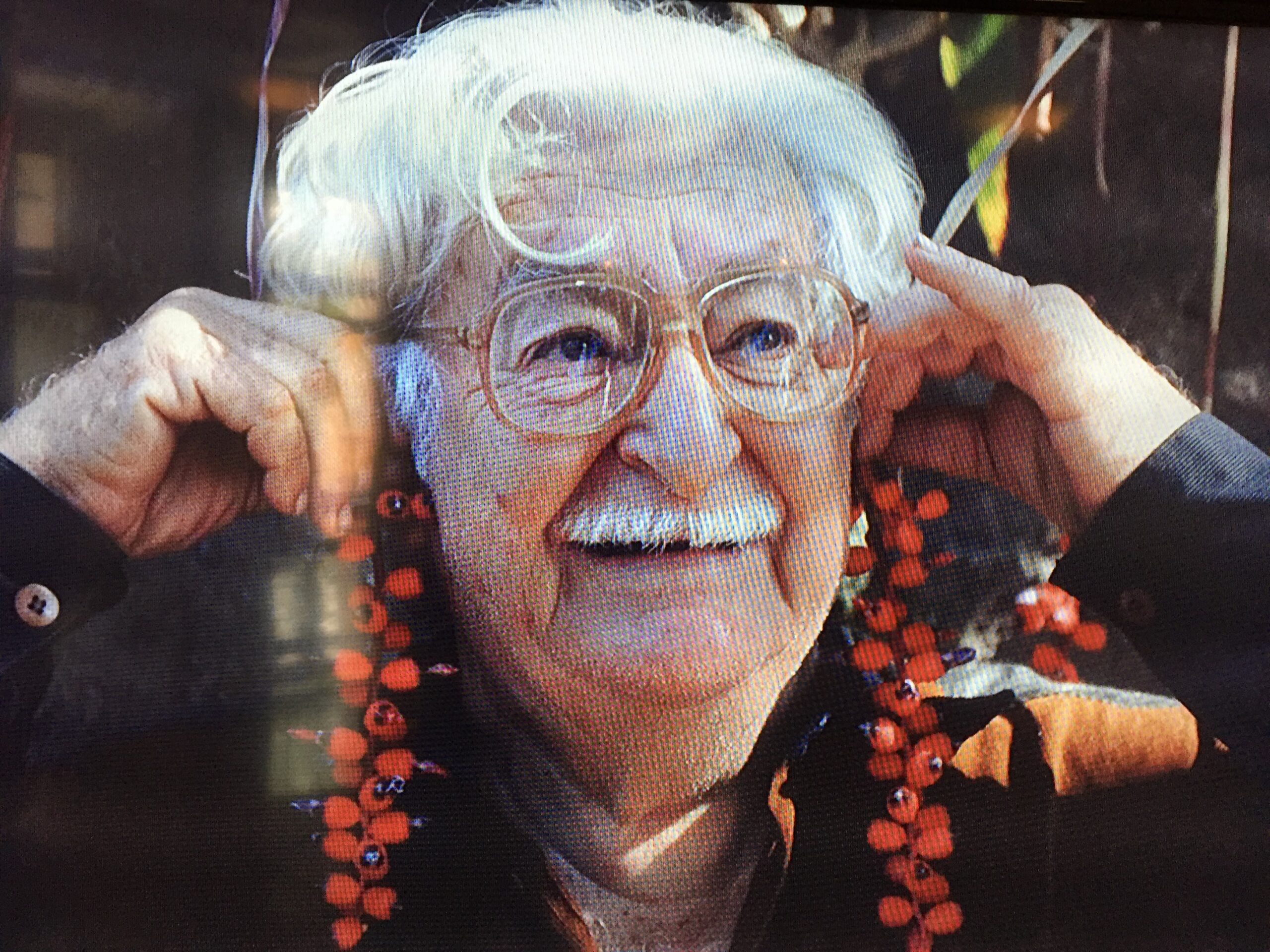
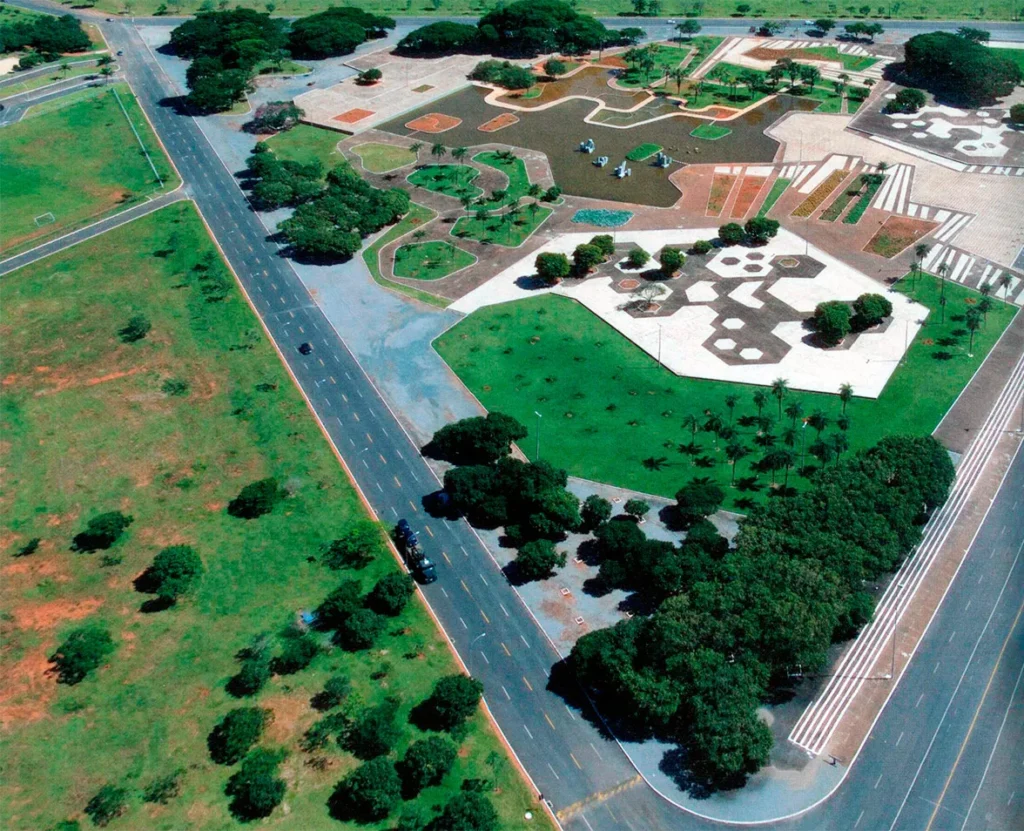
Architectural historians and biographers concealed his sexuality for decades. He created the iconic gardens for Brasília’s Ministry of the Army (now Forte Caxias) in collaboration with Oscar Niemeyer.
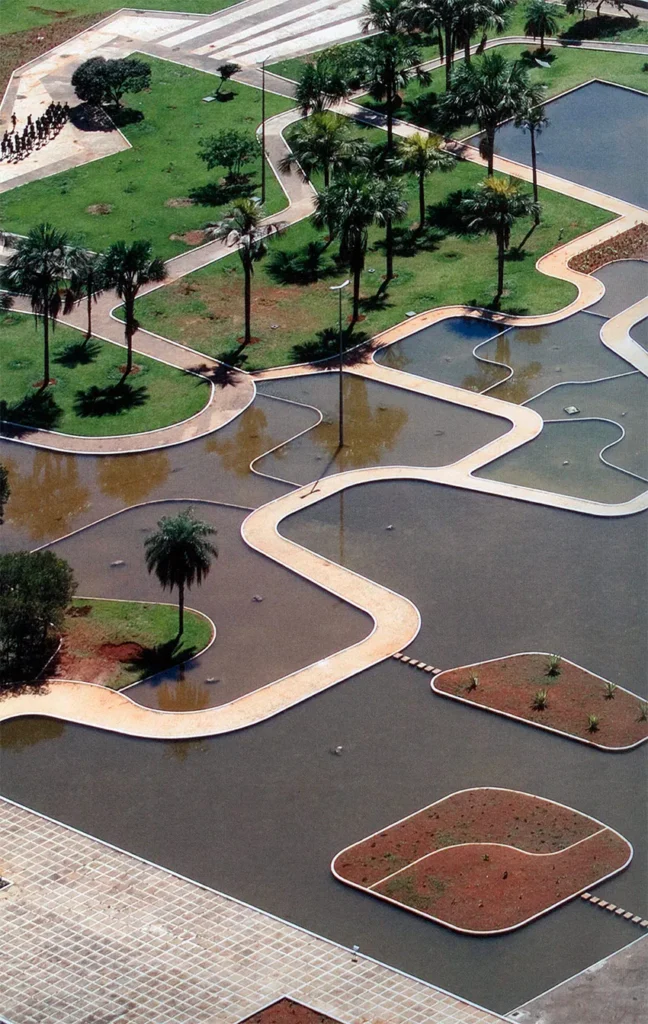
- Queer Erasure: Burle Marx’s homosexuality was historically suppressed by academics, despite his foundational contributions to Brazilian Modernism and his profound queer influence on Latin American artistic spaces.
- Brasília’s Timeline: Interestingly, he did not participate in the initial 1950s planning or construction of Brasília during the Kubitschek presidency. His belated involvement with the city occurred later, most notably designing the geometric and color-coded landscape around the Ministry of the Army in 1970.
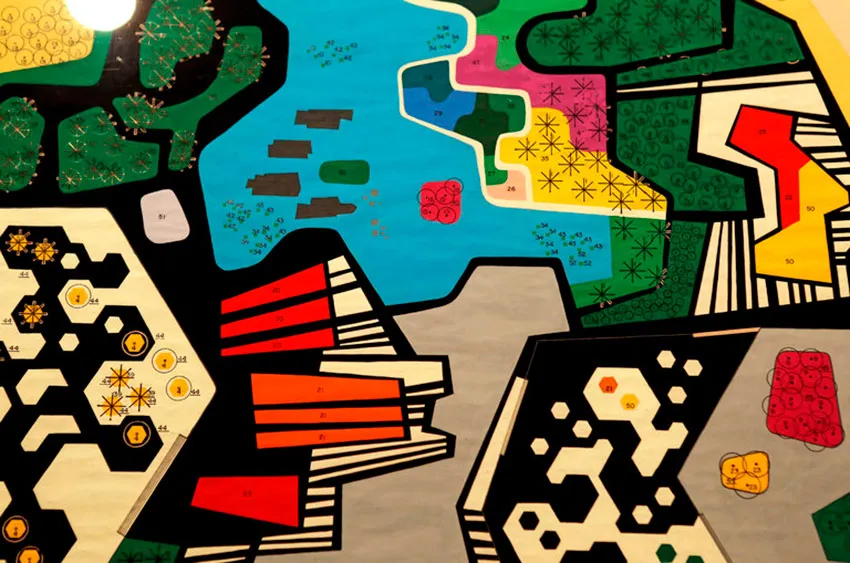
A garden is a complex of aesthetic and plastic intentions; and the plant is, to a landscape artist, not only a plant, rare, unusual, ordinary or doomed to disappearance but it is also color, shape, volume and an arabesque in itself..
Roberto Burle Marx1
Key Burle Marx Spots in Brasília
- Ministério do Exército (Ministry of the Army): Located in the Eixo Monumental. This joint effort between Burle Marx and Oscar Niemeyer meticulously translated his high-color gouache studies into concrete, crushed stone, and planted vegetation.
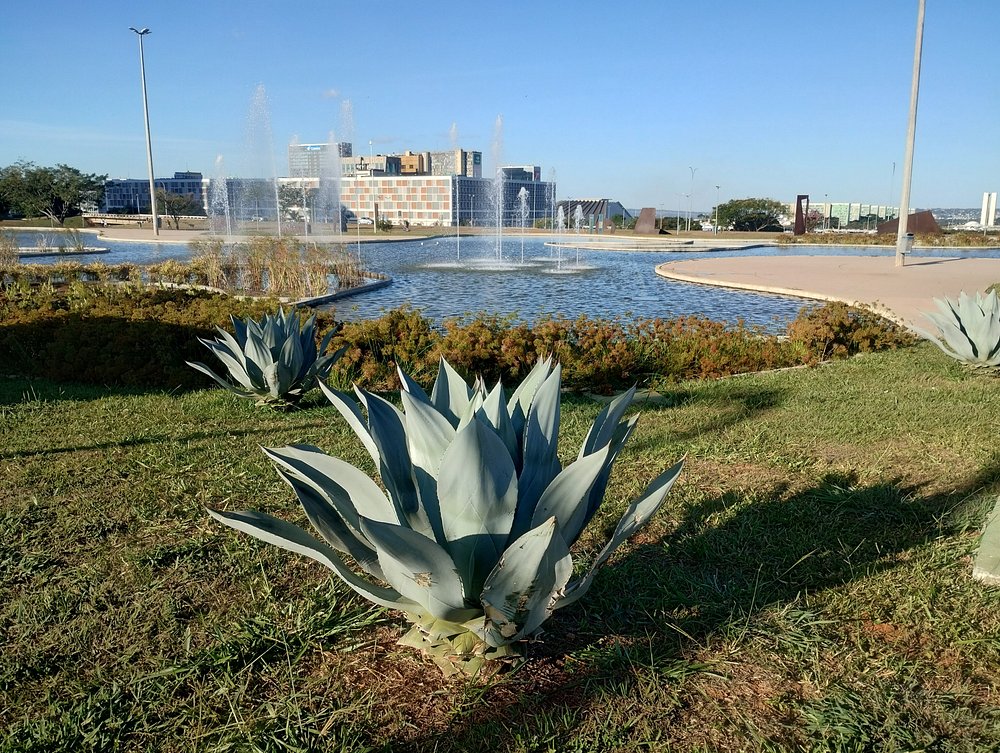
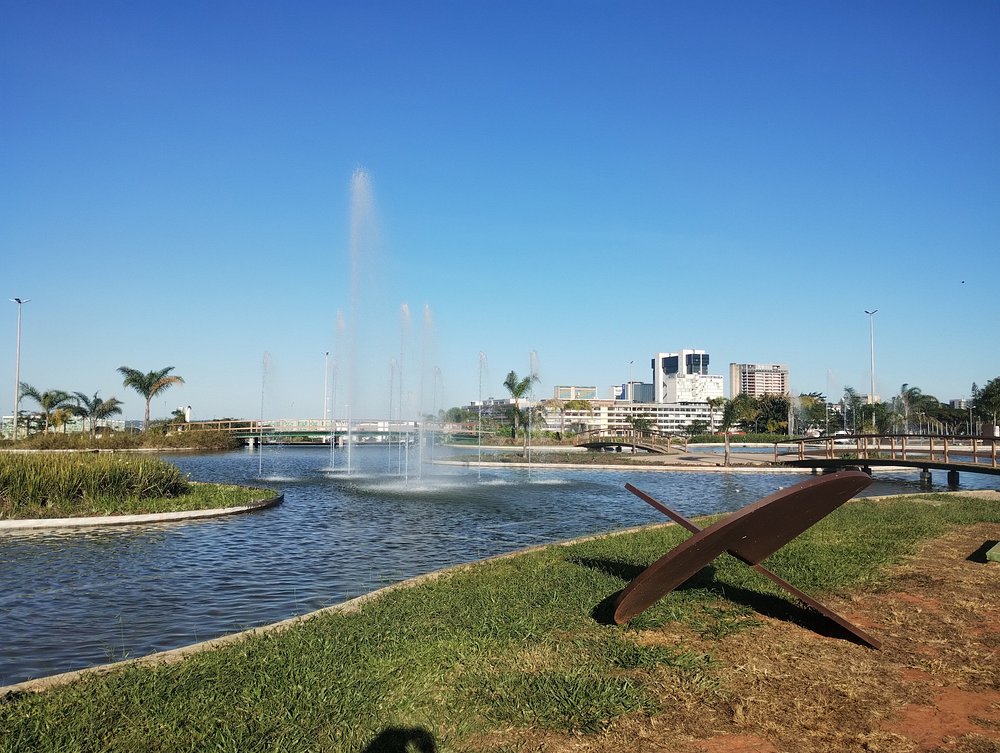
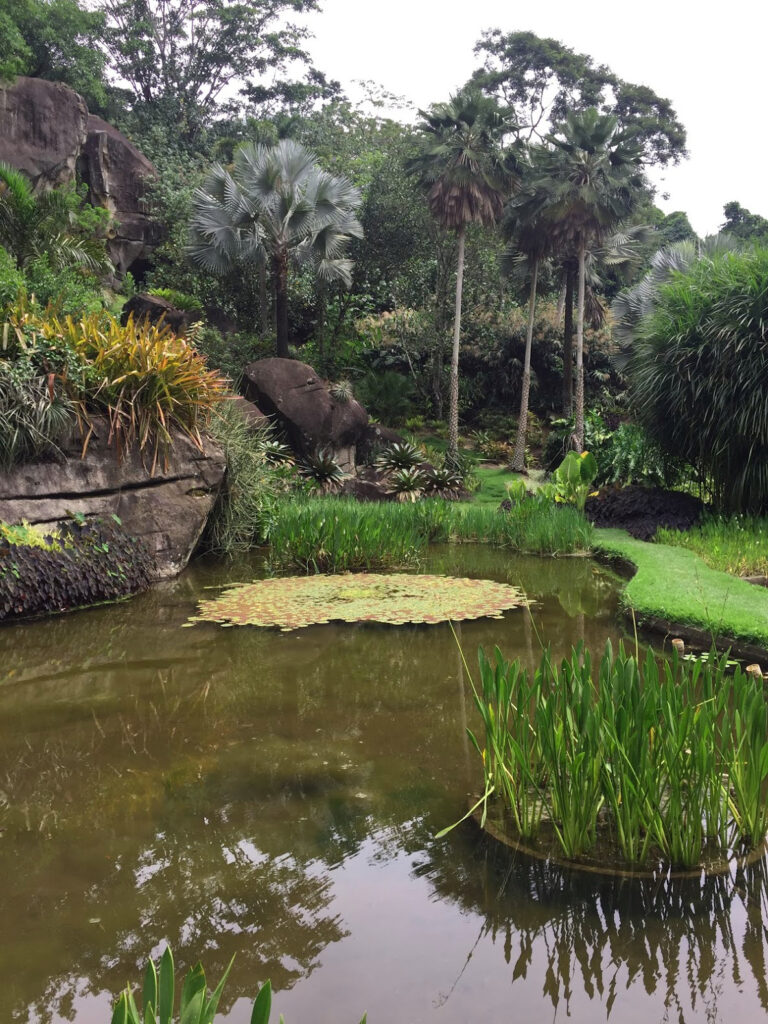
- Jardim Burle Marx: An urban park and public garden featuring native Brazilian vegetation, located between the railway center and the TV Tower, often included in local cycling tours.
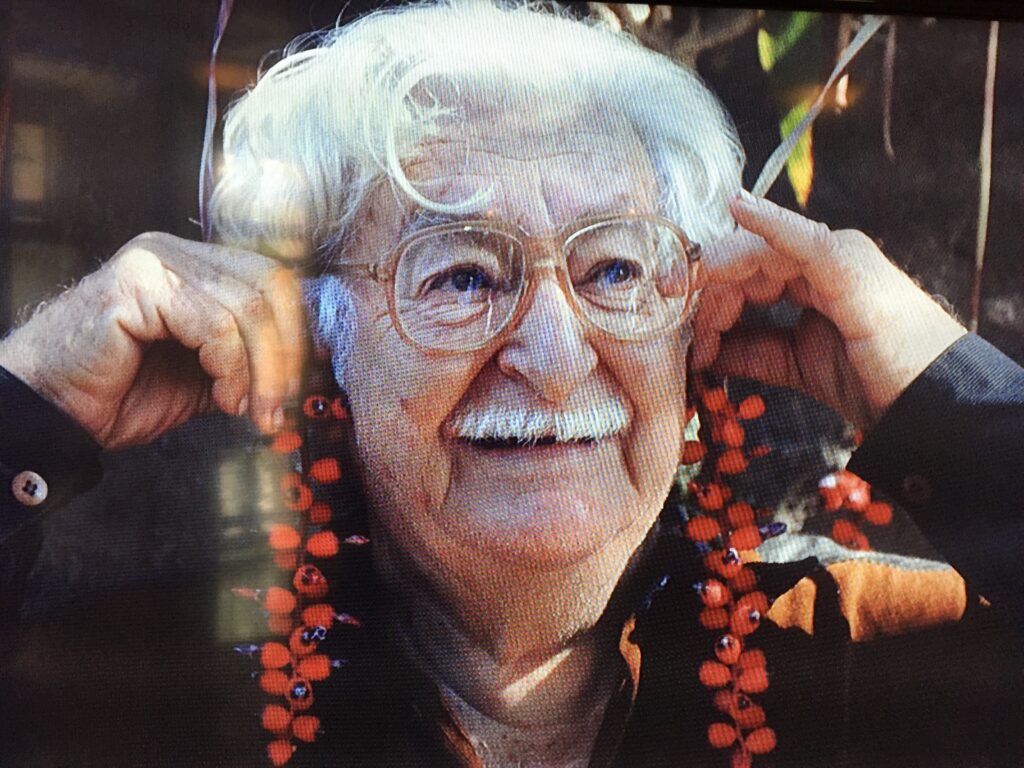
Tapestried Landscape: The Queer Influence of Roberto Burle Marx on Elizabeth Bishop’s Brazil
Modernism / Modernity Print+
Deixe um comentário