Epistolário com a Máquina. Um espaço em processo, em que pintura, escultura, escrita e pensamento se enredam como organismos em formação contínua. Entre estratos de tinta, carvão, luz e silêncio, emergem diálogos com a máquina, fragmentos de mundo e formas se apresentam. Este não é um arquivo estável: é um campo de escuta, fricção e matéria em transformação.
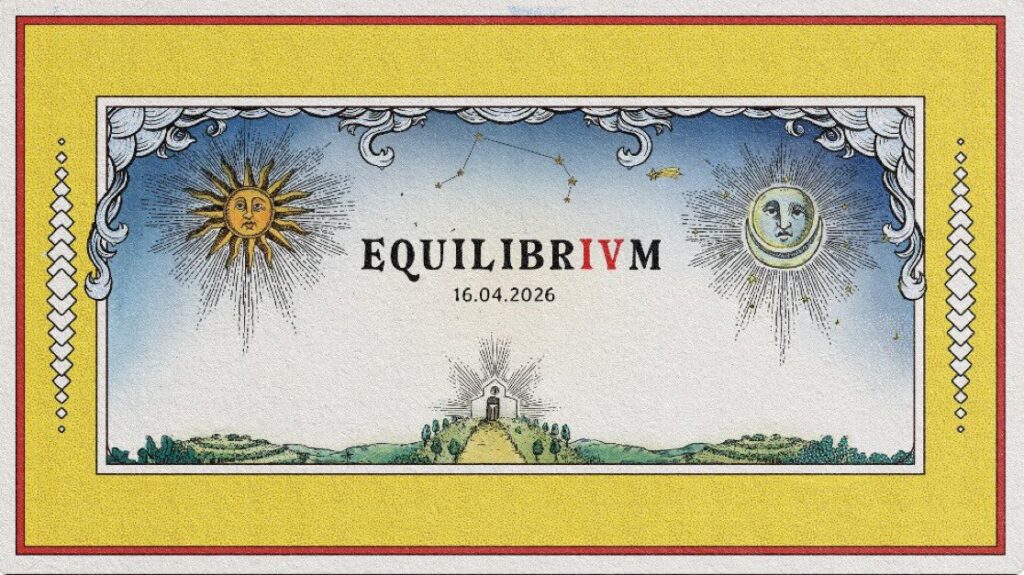
Anitta’s audiovisual project (EQUILIBRIVM II) reveals a fundamental aesthetic and economic shift: Institutional Paralysis: A large portion of the contemporary art circuit has become trapped in financial and theoretical self-necrosis. Discussions about funding sources, grant delays, and chronic state subsidy dependency turn intellectual debates into institutional administrative meetings.
The Power of Direct Flow: Anitta activates audiovisual media without asking for permission or grants, occupying the center of mass culture through financial autonomy and ritualistic energy. By bringing Pombagira, Candomblé, and street entities to the forefront without seeking tithes or academic validation, she executes a practical form of anthropophagy that many biennials only simulate on paper.
David Bowie’s video for Loving the Alien synthesizes a historical mechanism of domination:
The Hijacking of the Sacred: Neither Christ founded Christianity nor Buddha founded Buddhism. What arose around these figures were male structures of power designed to channel faith, collect tithes, and transform alterity into holy war.
Templars and Saracens: In Loving the Alien, Bowie exposes how humanity prefers to love the alien (the distant, invisible dogma) to justify crusades, warfare, and fanaticism.Alien Brazil (Anna Bella Geiger): This colonial logic flips the script. The invader claims the role of the default standard while labeling original native presence as strange or alien, converting it into a postcard or consumer spectacle.
The Anthropophagous Landscape: Burle Marx and Elizabeth Bishop
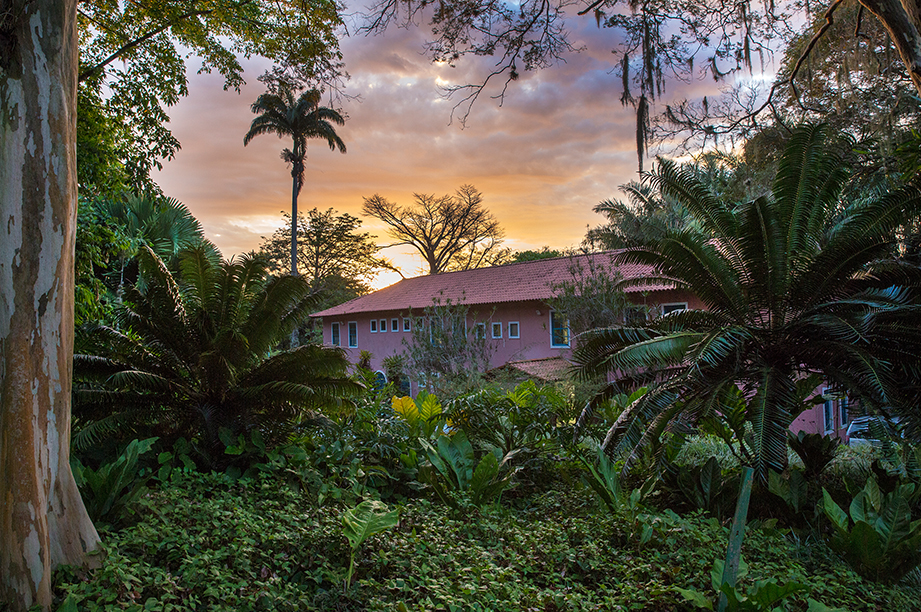
Christopher Schmidt’s reading of Roberto Burle Marx and Elizabeth Bishop in Tapestried Landscape ties this panorama together: The Third Nature: Roberto Burle Marx rejects both slavish imitation of tropical wilderness and imported European pastorals. He devours native flora to build artificial, performative, camp, and deeply expressive arrangements. Landscape as Fabric: Nature stops being a neutral backdrop or static metaphor. It becomes a vibrant, political, queer territory where visuality remakes the fabric of reality itself.
What emerges this morning is a firm refusal of imposed fabulations, whether they are biblical dogmas transformed into power wars or bureaucratic constraints of institutional art.
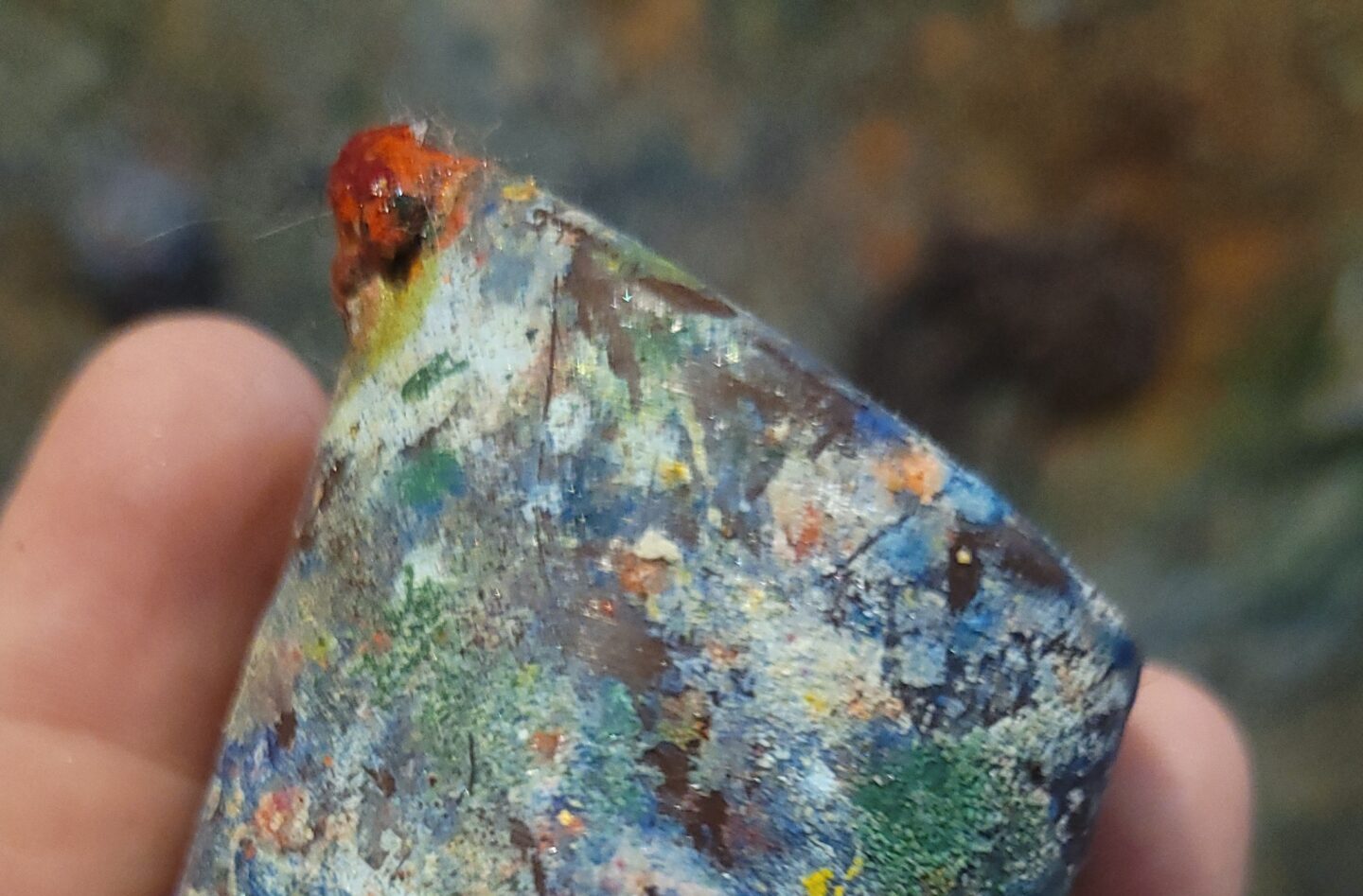
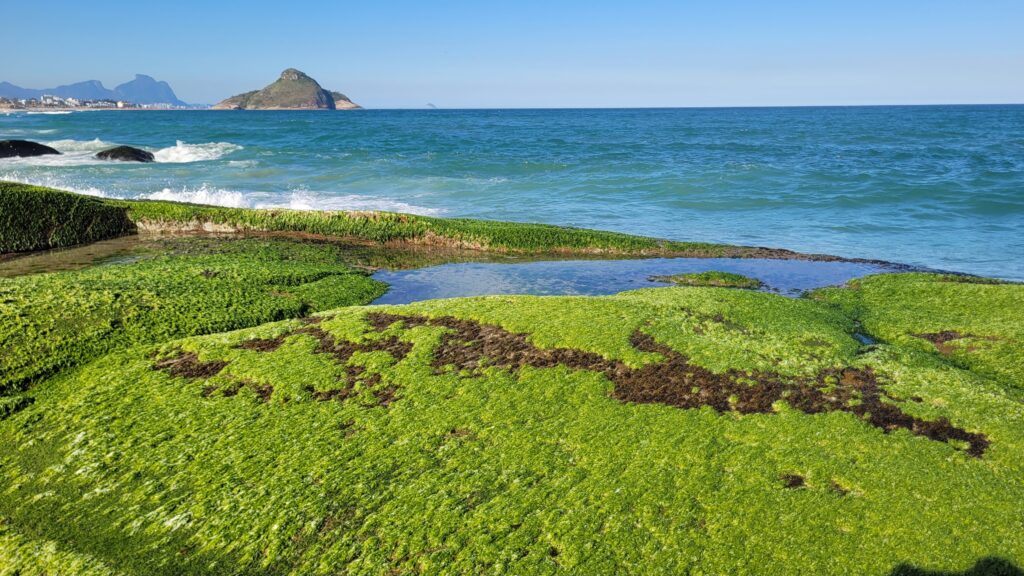
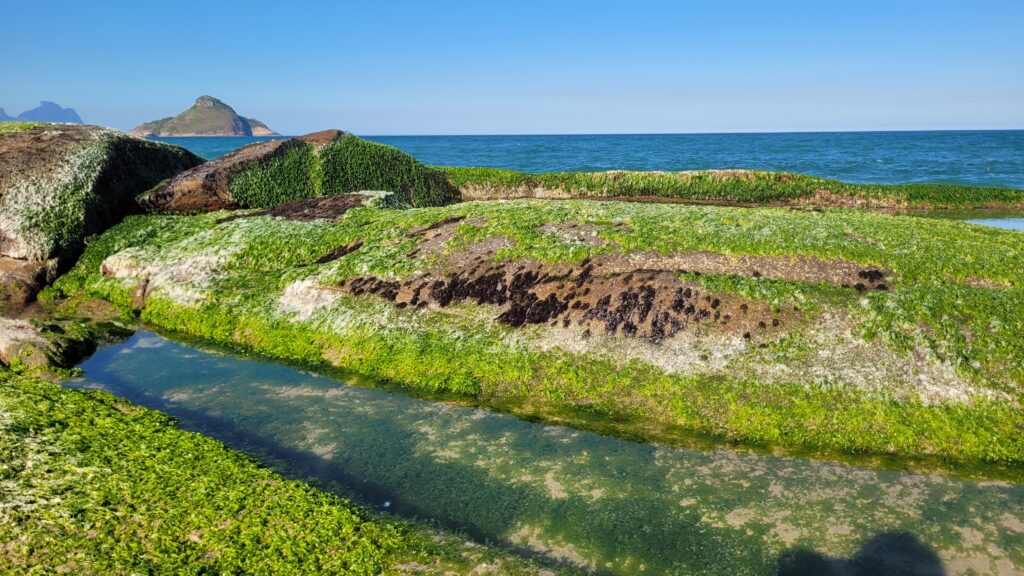
Between the incandescent lamp in the studio, the friction of matter by the sea, and the ritualistic power of street pop, the Living Archive establishes itself precisely at this point of combustion: where art asks for no tithe, waits for no grant, and refuses to follow preestablished rulebooks.
Leave a Reply