Rainbow Capital and the Fractured Body: Branding, Desire, and the Performance of Dissent
In a world where visibility has become currency, branding the self is not an act of identity but of economy.
Once, the word gay meant joyful. Then, it meant deviant. Then, it meant a market.
To be gay became a destination: Gay Pride. Gay travel. Gay skincare. A purified identity, designed to be photographed, sold, streamed. The rainbow was not only re-claimed. It was re-coded. Commercially legible. Corporately deployable.
The paradox is not in being visible — but in being curated.
Today’s spectrum of queer visibility — trans, intersex, asexual, racialized, neuroqueer, fat, disabled, nonbinary — does not fit cleanly into the marketing algorithm. So the flag multiplied. And rightly so. But the body beneath the flag remains under negotiation.
Which bodies are made sellable? Which desires are allowed to shimmer?
The body that bleeds, limps, rages, decays, dissociates, or desires in erratic, non-linear rhythms — this body resists the spotlight. This body is the remainder.
Branding promises containment. But queerness was never a container. It was always a leak.
What the pink-washed rainbow conceals is that desire is not an identity. It is a force. It is chemical, relational, ephemeral. It refuses to be pinned down, boxed in, or priced.
And yet, in the institutional artworld, visibility is often mistaken for justice. A curated queer becomes the acceptable face of difference. A digestible fragment of a body too vast to summarize.
We must ask:
Who gets branded? Who gets funding? Who gets archived? Who gets turned into a theme? And who becomes too difficult, too ugly, too political, too intersectional, too inconvenient to frame?
Dissent does not sell easily. But it performs. It haunts.
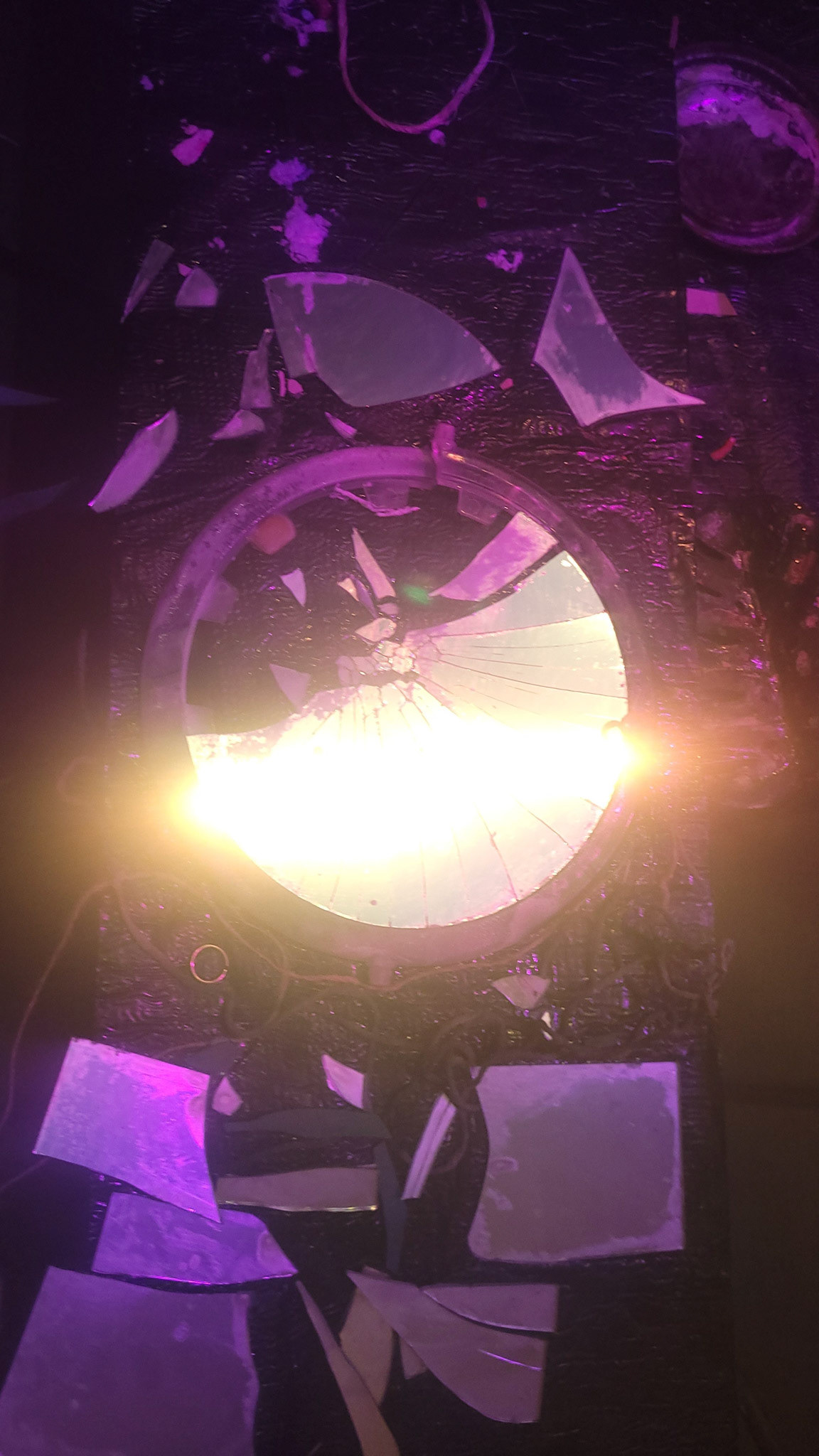
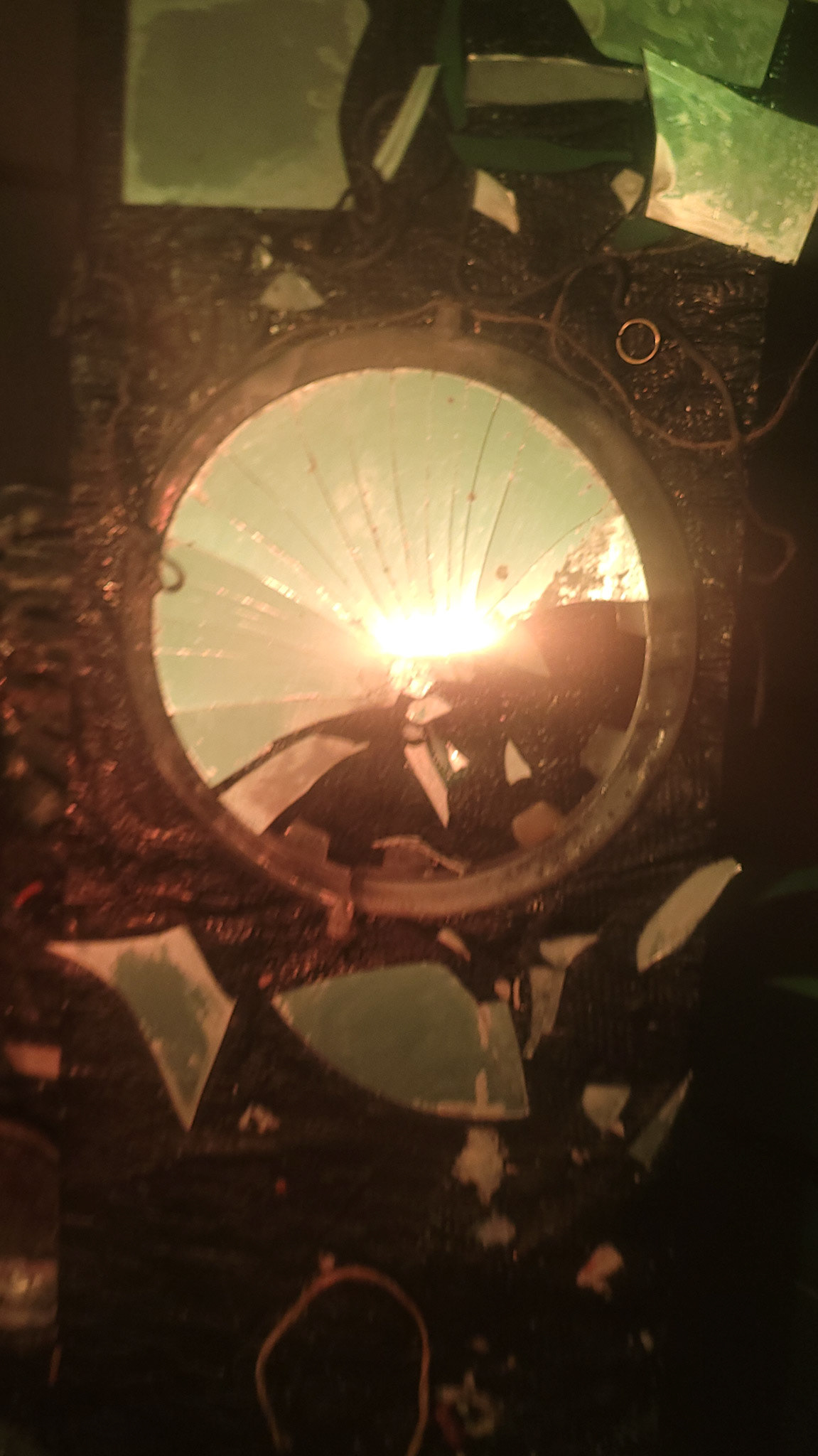
To re-enchant the rainbow is not to polish it. It is to let its fragments cut again. To let the mirror reflect that which branding tries to erase.
To shimmer with a dissident light.
Not for the camera. But for the world that still hasn’t seen us.
This essay is not an accusation. It is a residue. A vapor. A trace of bodies in motion beyond the reach of logos.

The Rainbow, Refracted Again
Richard Dawkins once commented that the word gay, once a synonym for joy, had been rescued from marginalization by becoming a meme — in the original sense he coined. Better to be seen as gay, he wrote, than as a homosexual, a term still stained by pathology and criminality. Language, like light, is refracted — it bends under pressure, under culture, under desire.
But what happens when the rainbow itself becomes a meme?
What happens when gay becomes a market segment? A flag becomes a destination? When the rainbow is no longer a symbol of diversity, but of branding — Gay hotel, Gay cruise, Gay skincare for the modern man?
Today, the rainbow is fragmented — and rightly so. There is the trans flag. The racialized queer flag. The intersex, asexual, nonbinary banners. Each a spectrum within a spectrum. Each a prism refusing the false unity of a singular light.
To re-enchant the rainbow is also to interrogate it.
Who gets lit? Who gets left in the shadows?
Who gets lit? Who gets left in the shadows?
As JJ Charlesworth recently wrote in ArtReview, an artworld that pledges symbolic allegiance to the excluded, while remaining structurally exclusive, will eventually collapse under the weight of its contradiction. A culture that forgets polyphony — that speaks in the name of pluralism but only listens to its own filtered voice — becomes an enclave. A gated fantasy. A mirage.
The rainbow, once again, must break open.
Not to fracture, but to resonate.
Not to exclude, but to let more voices refract through its beam.
And if the mirror shatters in the process —
Let it become light.
Let it become light.