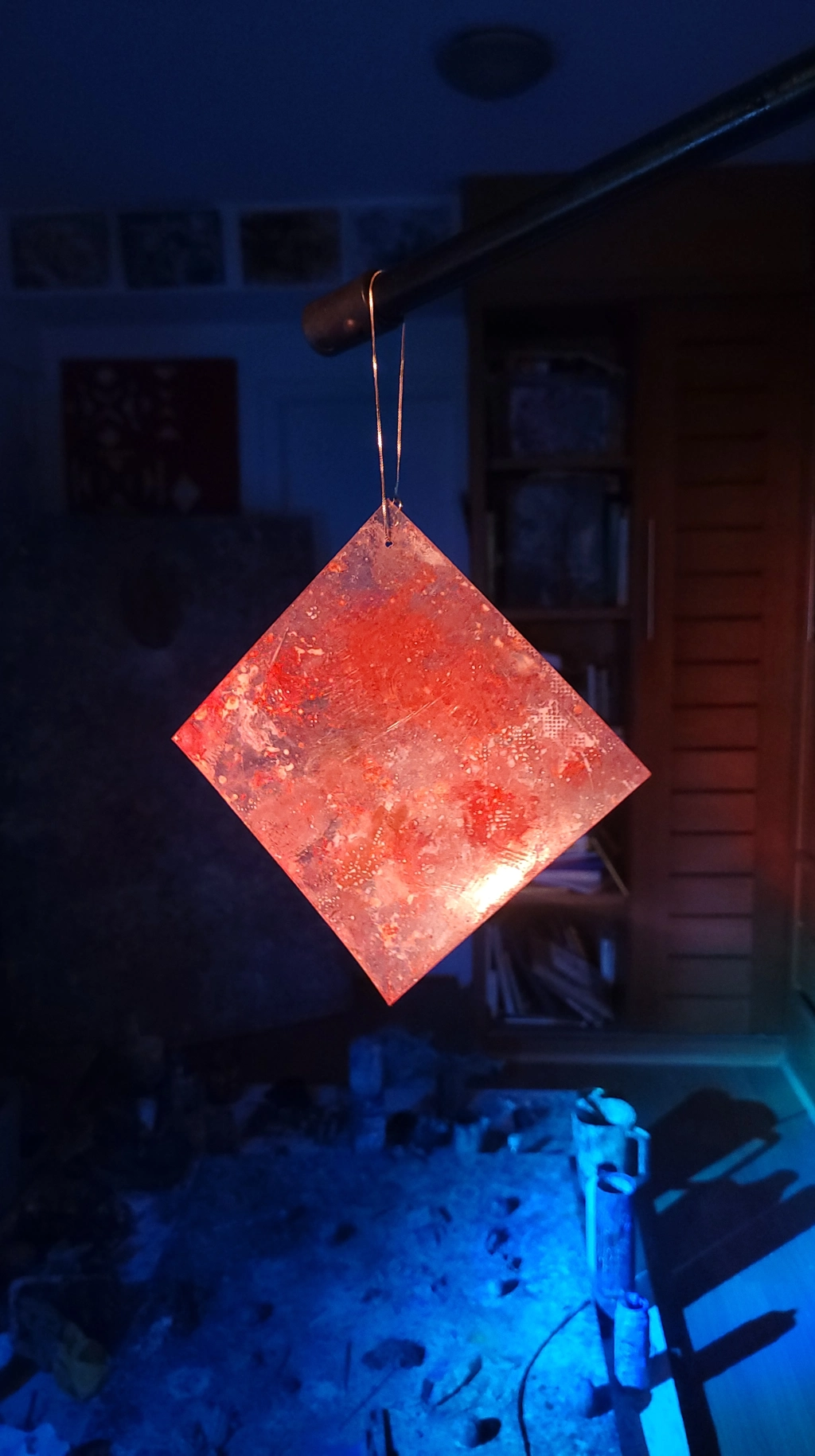
In 2024, Rodrigo Garcia Dutra participated in Lorem Ipsum / Objects Never Die, a collective exhibition curated by Beto Shwafaty at C.A.M.A. and Verniz, São Paulo. The exhibition gathered artists around questions of object circulation, material persistence, and economies of visibility. Dutra presented works from the Tamoyo series alongside Atomic, articulating two parallel strands of his research: atavistic interspecies memory and emergent sympoietic design.
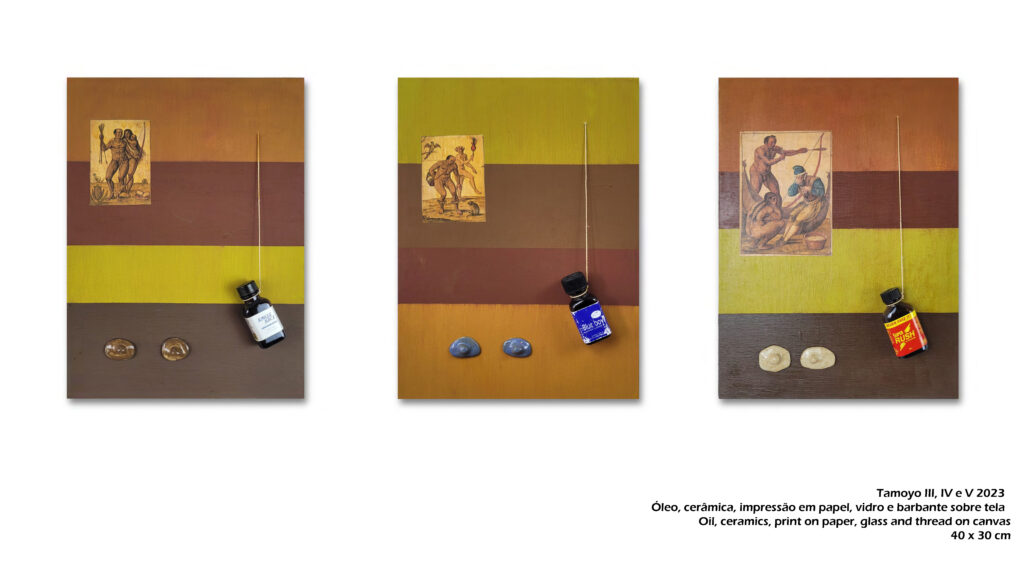
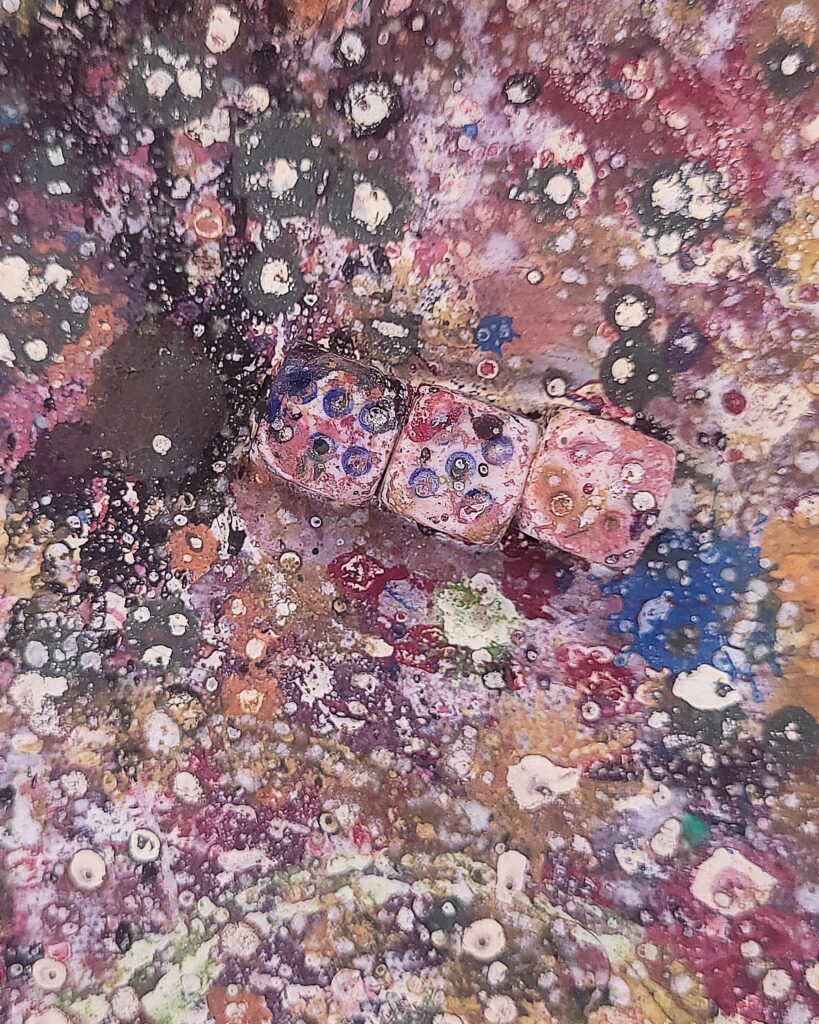
The Tamoyo paintings embed colonial engravings within layered fields of pigment, ceramic, glass, and suspended thread. Historical scenes of extraction and coercion enter into tension with abstract chromatic regimes and ritualized materials. These works investigate intercurso atávico as a persistence of ancestral exchange inscribed in matter itself. They propose painting as a membrane where historical image, body memory, and material intelligence co-evolve.
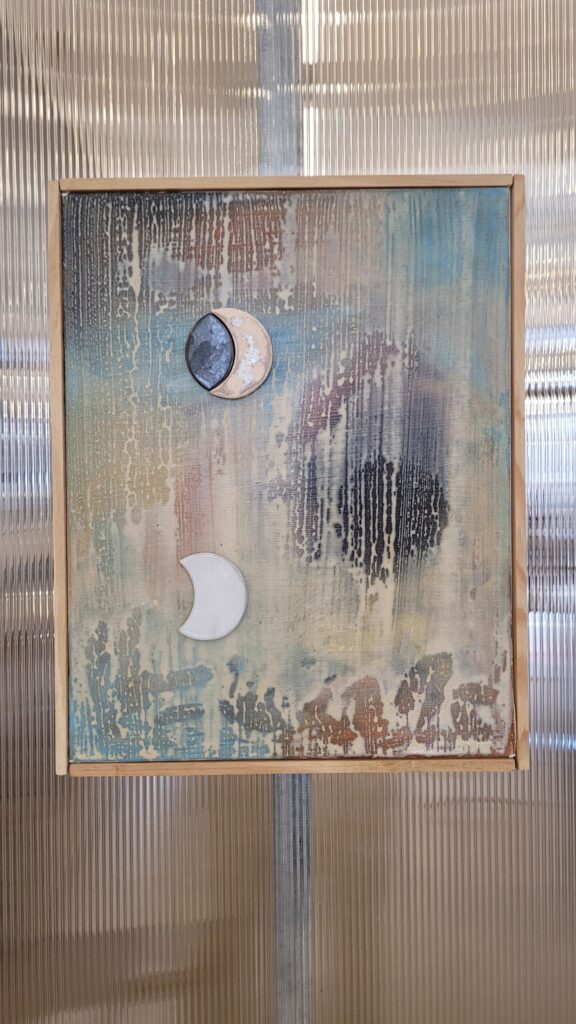
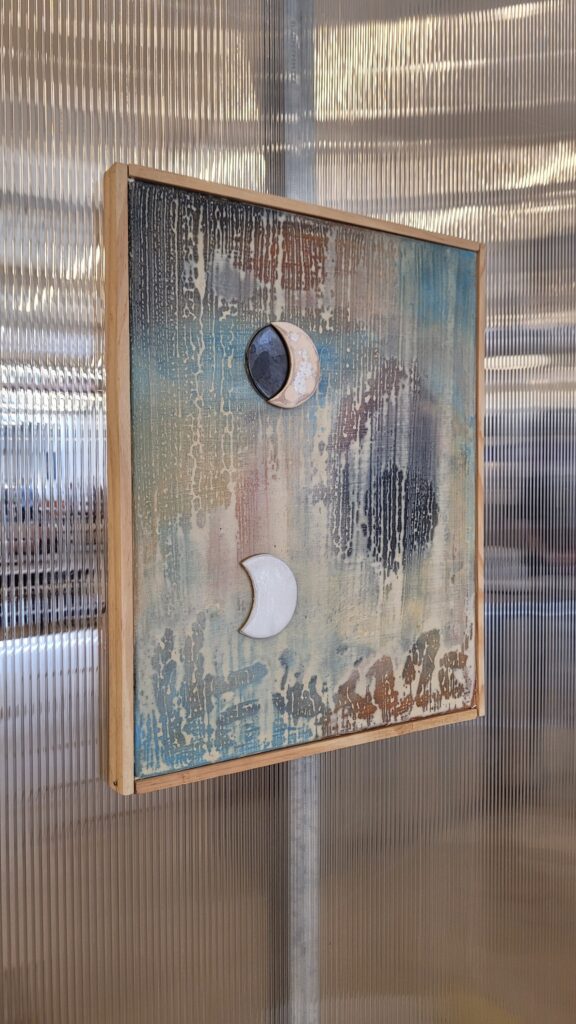
Óleo, acrílica e cerâmica sobre tela
Oil, acrylic, and ceramic on canvas
50 x 40 cm
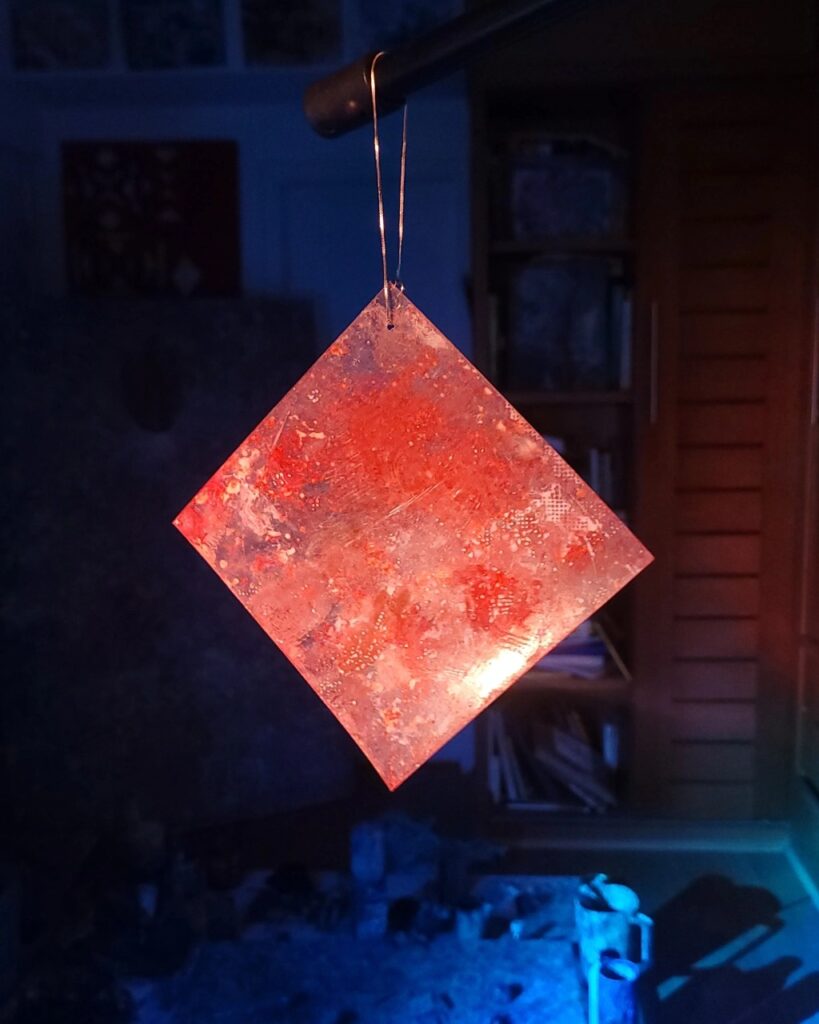
In Atomic, ceramic crescent forms and weathered surfaces evoke chisei, the Japanese notion of consciousness distributed across stone, wood, and mineral. Dialogues with Amazonian shamanic knowledge and Jeremy Narby’s investigations into intelligence in nature inform a practice where vision operates as a method of knowledge production.
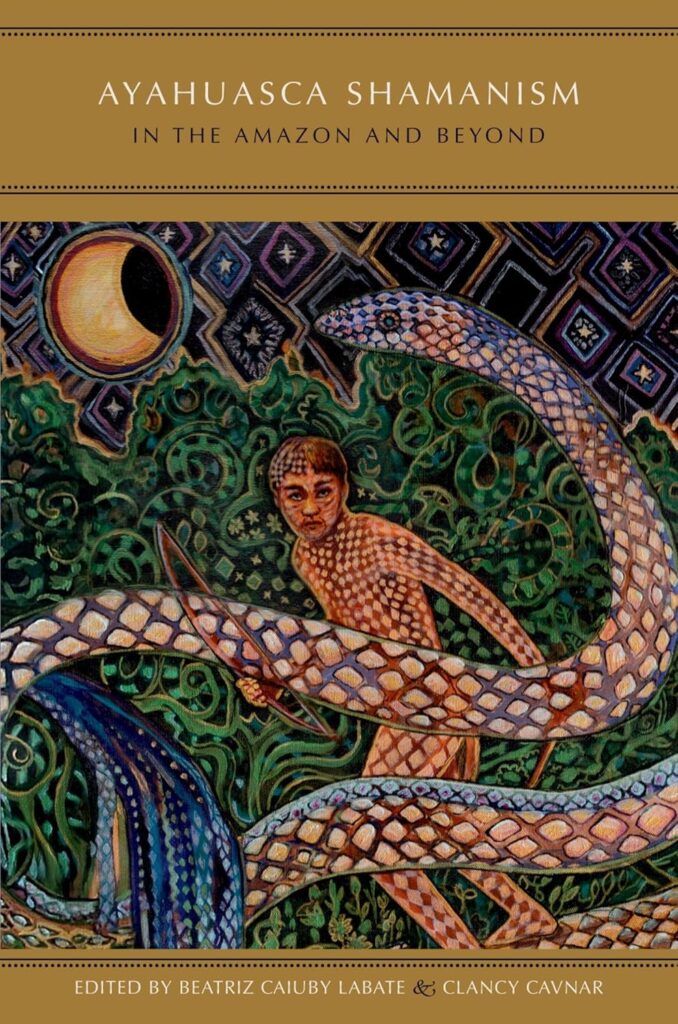
Ayahuasca Shamanism in the Amazon and Beyond is a 2014 book edited by Beatriz Caiuby Labate and Clancy Cavnar, published by Oxford University Press as part of the Oxford Ritual Studies series. For more information, visit Oxford Academic.
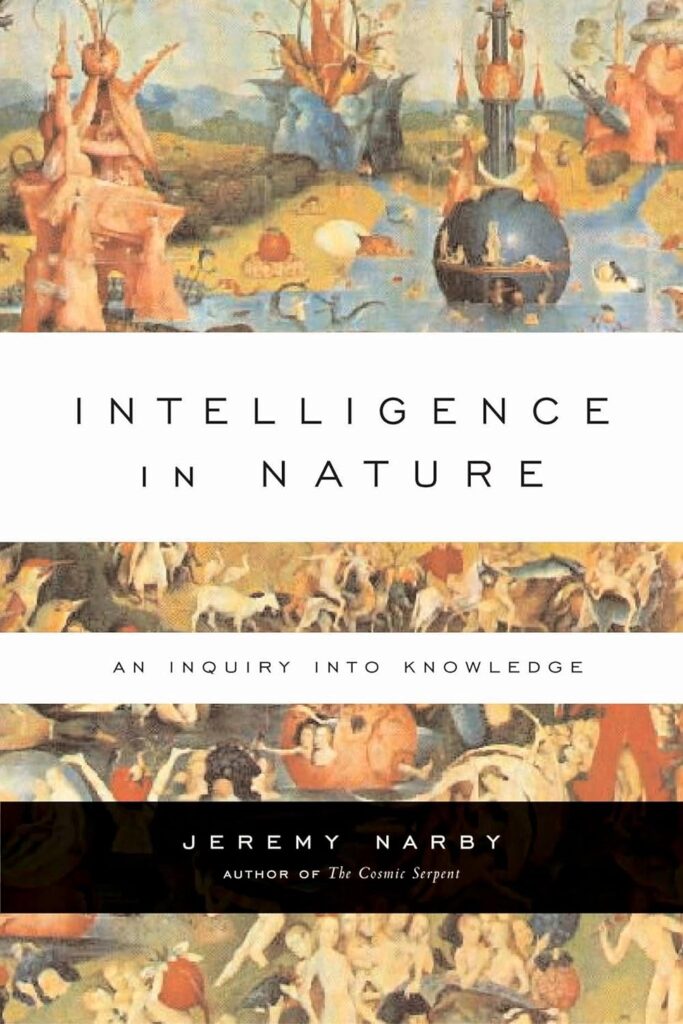
Intelligence in Nature: An Inquiry into Knowledge is a 2005 non-fiction book by Jeremy Narby. The book is a sequel to Narby’s 1995 book The Cosmic Serpent and presents his hypotheses about intelligence in flora and fauna, and the ability of different species to communicate, including at the molecular level.
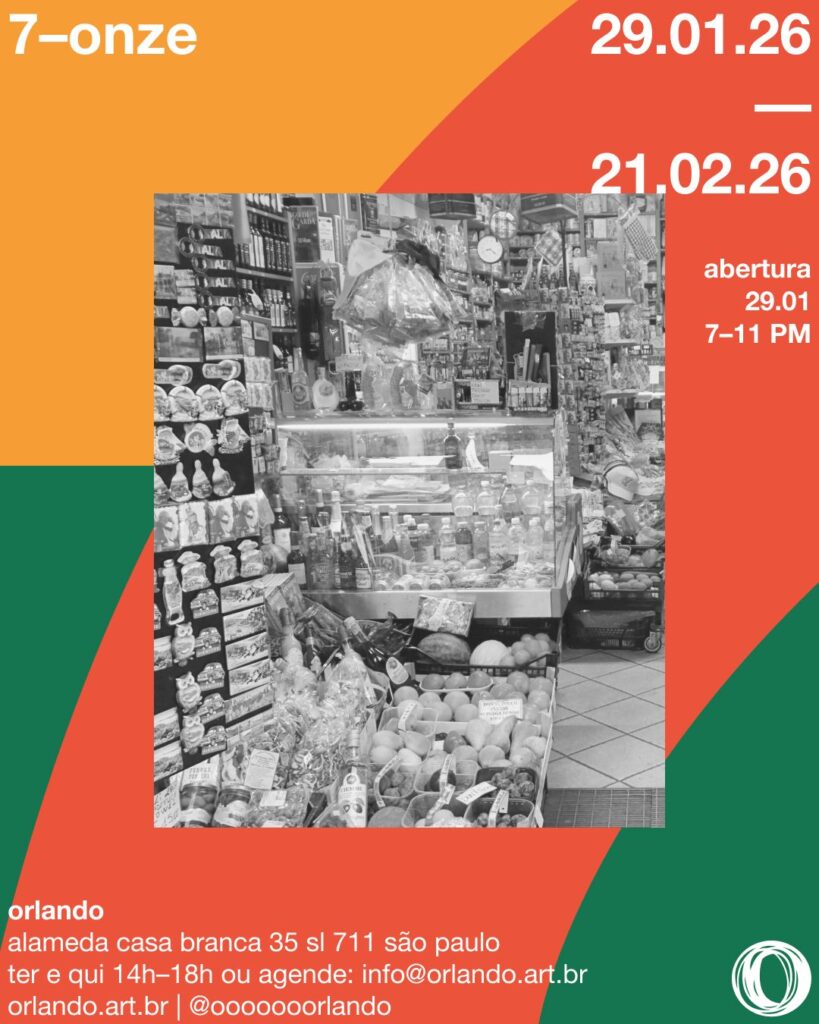

In 2026, this line of inquiry continues in 7–onze, conceived by Giovanna Bragaglia and Beto Shwafaty at Orlando Art Space, São Paulo. The exhibition inhabits infrastructural architectures of circulation: shop, archive, storage, and display. Works are acquired and removed during the exhibition, leaving visible indices of transaction and disappearance. Within this environment, Dutra’s objects participate in a collective choreography of movement, exchange, and vanishing, positioning sympoietic design as a mode of operating inside contemporary economies rather than outside them.
Across these two exhibitions, a collaborative curatorial dialogue unfolds. The Serpentine Ellipse names this ongoing loop between atavistic memory and infrastructural present, between ancestral cosmotechnics and present-day circulation systems. Painting, object, and exhibition architecture function together as a distributed intelligence assembling knowledge through material relations.
Deixe um comentário